



You can live ten minutes from the water and still never find your way into harbour life. The boats are there, the cranes are there, the smell of diesel and salt is there — but the community that keeps a port running tends to gather on its own schedule, in its own rooms, and often in its own shorthand of tides, ropes and shift changes. From the outside it can look like a closed circle.
It isn't. Harbour events are how that circle stays open: a Saturday market on the quay, a supper after the dinghy race, a working party scraping and painting a hull, an evening of old photographs in the clubhouse. Show up once with the right attitude and you will be recognised the second time. This guide is for people who are new to it — new to the town, new to boats, or simply new to the idea that the port is something you can join rather than admire from the promenade.
What Kind of Events You Will Find
Port communities gather for reasons that are practical, commemorative and social, usually all three at once. A few categories cover most of what appears on a noticeboard:
- Open days and dock tours. Guided walks along working quays, visits to the lifeboat station, behind-the-gates looks at sheds and cranes. Good first events if you know nobody.
- Markets and food gatherings. Fish sold straight off the boat, harbour breakfasts, long tables set up on the pier, a food stall raising money for the rescue boat.
- On-water occasions. Dinghy races, a blessing of the fleet, a flotilla of small boats, rowing races between neighbouring clubs.
- Working parties and clean-ups. Quay and beach litter picks, pontoon repairs, painting the clubhouse, sorting donated gear. Un glamorous, and the fastest way to be accepted.
- Talks and heritage evenings. Oral history recordings, chart reading, films about the fishing fleet, walks that trace a demolished pier.
- Club and association meetings. Open evenings, season kick-offs, volunteer recruitment for regattas and festivals.
Some are advertised weeks ahead with posters and a booking form; others circulate by word of mouth and a message in a group chat three days before. Both are normal. The informal ones are often the better ones.
What to Expect on the Day
Things start when they say they will
Much of harbour life is timed around tide and daylight, and organisers rarely wait. A walk billed for ten o'clock may move to half past nine if the water demands it. Arrive fifteen minutes early, and check the event page the night before in case of a change. If a boat is involved, being late usually means being left behind rather than being squeezed in.
Dress for the ground, not the photograph
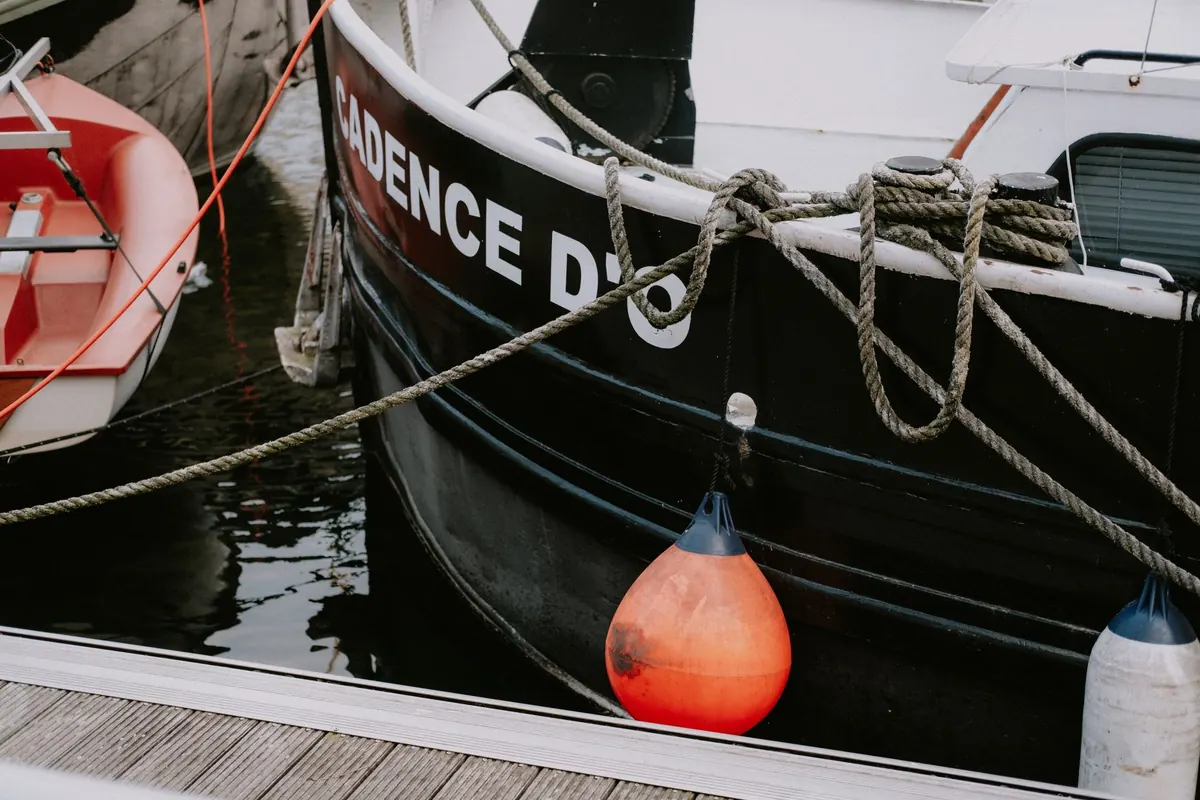
Quays are uneven, wet, and full of bollards, coiled lines, cleats and gaps between pontoon and shore. Flat shoes with grip are the one non-negotiable. Add a windproof layer even on a warm forecast, because the harbour breeze arrives without warning, and leave the delicate bag at home. You will probably end up carrying something.
It is a working place first
Expect noise: forklifts, horns, gulls, announcements, an engine idling somewhere. Expect to be asked to stand behind a painted line. That is not suspicion, it is how people stay safe around machinery and moving loads. Follow the marshal's pointing finger without debate and you will have a much better day.
How to Find Out What Is On
Start with the places people actually read: the harbour office or harbourmaster's noticeboard, the sailing club window, the chandlery, the fishing cooperative, the community hall, the local paper's events column. Ask in the chandlery what is coming up — the person behind the counter knows more about the port's calendar than any website. Most harbour authorities and clubs also run a newsletter, which is worth the two minutes it takes to sign up. If you have a specific interest, say rowing or heritage, tell someone; invitations follow from conversations far more often than from posters.
A Short Checklist Before You Go
- Confirm the time, meeting point and whether you need to book.
- Check the forecast and the tide if anything happens on the water.
- Bring small cash for the raffle, the cake stall or the collection tin.
- Take a refillable water bottle and a bag for wet or muddy gear.
- Save a contact number for the organiser in case you are running late.
- Ask in advance whether children, guests or dogs are welcome — numbers matter for catering and for safety briefings.
Etiquette for Newcomers
Ask before you help
The instinct to grab a rope is a good one and slightly dangerous. Lines under load, fenders being adjusted and gear on a foredeck all belong to somebody's system. Stand back, ask "would you like a hand?", and accept the answer. Never step onto a boat you have not been invited onto, and never cast off a line, however helpful it looks.
Respect the working side
If a section of quay is coned off, there is a reason. Keep the slipway clear, keep your bike out of the way of the crane, and ask before photographing people at work — especially on the fishing side, where a photo can land a crew in an awkward position. If someone in high-visibility clothing asks you to move, move first and ask later.
Bring something, leave nothing
Buy a raffle ticket. Put a coin in the tin. Bring a cake for the stall if you can bake, or an extra pair of hands if you can't. Take your litter home, including the small bits. Volunteer for one shift at the next festival rather than promising to help with everything.
The clubhouse is somebody's living room
Sign the guest book, buy a drink, introduce yourself to whoever is behind the bar. Remember names and use them. Ask questions about the port's history and listen to the long answers — that is the currency of the place. And resist the temptation to rearrange anything, including chairs.
Children, Guests and Dogs
Families are genuinely welcome at most daytime events, but a port is not a playground. Fit children with life jackets near the water even when the event is on land, hold hands on pontoons, and agree a meeting point before you arrive. Dogs are welcome at some events and firmly not at others, usually for food-hygiene or machinery reasons, so ask rather than assume and keep leads short. If you are bringing guests, tell the organiser how many — caterers plan on numbers, and a surprise of four extra plates is felt.
Making Your First Season Count
Choose two events rather than ten, and go to both properly. Volunteer once, even for an hour: handing out programmes or stacking chairs puts you inside the event instead of watching it. Learn three names and use them next time. Join the club or association if there is one — the fee is usually modest and the newsletter alone is worth it. Offer a specific skill rather than general enthusiasm: accounts, a trailer, a van, a sound system, translation, first aid.
Then keep showing up. Harbour communities are built on repetition rather than introductions, and the person who turns up three times in a season is treated as a regular. One practical note: for anything involving on-water activity, follow the organiser's safety briefing and check any training or insurance requirement before you take part. Where moorings, memberships or contracts carry real financial or legal weight, ask the club directly or take professional advice rather than relying on a friendly chat at the bar.
The water will still be there next weekend. So, most likely, will the people who welcomed you.
Photo: falconp4 / Pixabay
Related posts
More stories you’ll love reading